


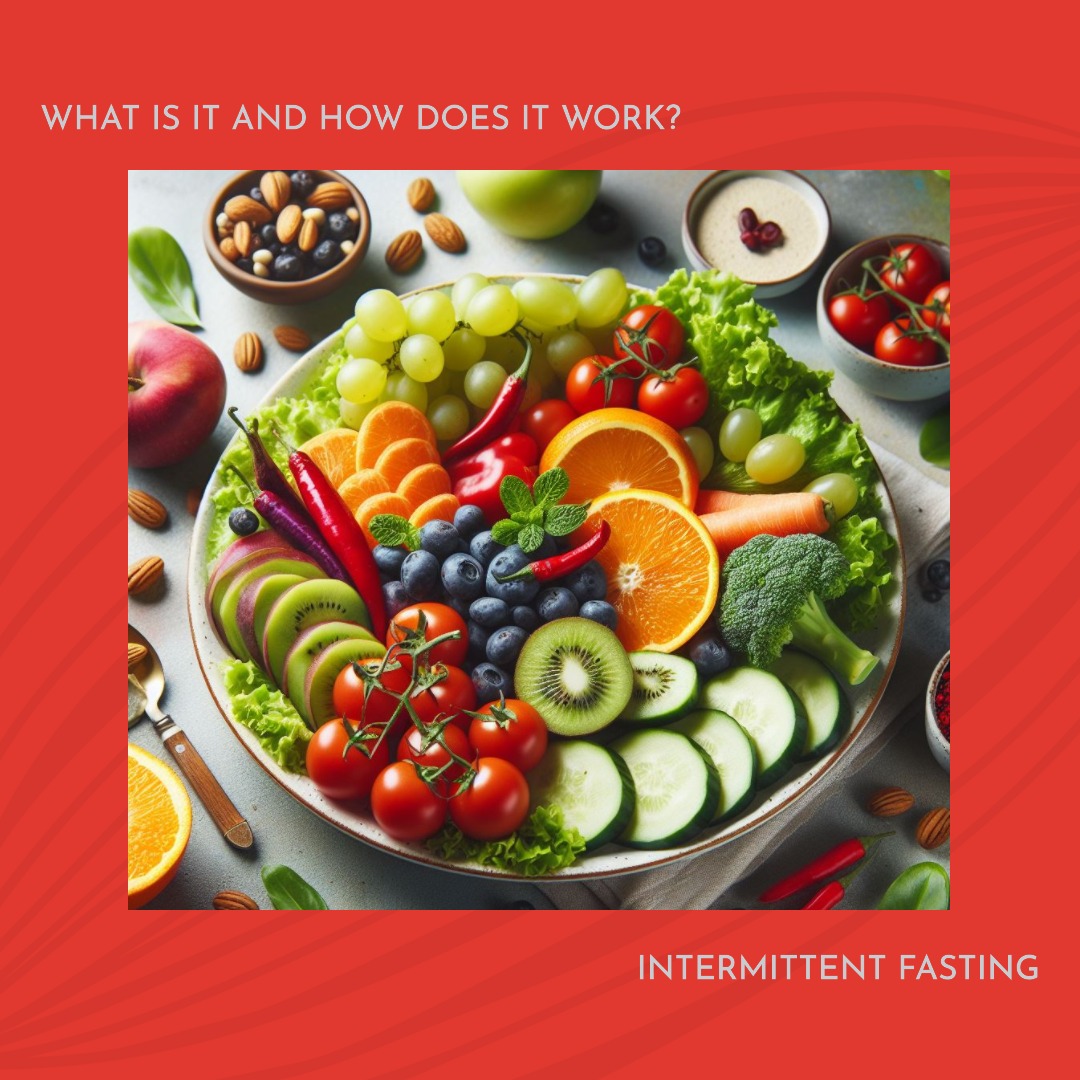
Intermittent fasting (IF) has gained popularity for its potential health benefits beyond just weight loss. Here are some of the key benefits associated with intermittent fasting:
- Weight Loss: Intermittent fasting can help with weight loss by restricting calorie intake during certain periods, leading to a calorie deficit over time. Additionally, it may increase metabolism and promote fat loss while preserving muscle mass.
- Improved Insulin Sensitivity: IF can improve insulin sensitivity, which helps regulate blood sugar levels. This can lower the risk of type 2 diabetes and metabolic syndrome.
- Cellular Repair and Autophagy: During fasting periods, cells initiate autophagy, a process where they remove dysfunctional components and recycle them for energy. This may help protect against various diseases and promote cellular repair.
- Heart Health: Some studies suggest that intermittent fasting may improve heart health by reducing risk factors such as cholesterol levels, blood pressure, inflammation, and oxidative stress.
- Brain Health: Intermittent fasting may have neuroprotective effects and enhance brain function. It may increase the production of brain-derived neurotrophic factor (BDNF), a protein that supports the growth and survival of neurons.
- Longevity: Research in animals has shown that intermittent fasting can extend lifespan. While more studies are needed in humans, some evidence suggests that it may promote longevity by improving various markers of health.
- Reduced Inflammation: Intermittent fasting may help reduce inflammation in the body, which is linked to numerous chronic diseases, including heart disease, cancer, and Alzheimer’s.
- Improved Digestive Health: Giving the digestive system a break during fasting periods may improve gut health and digestion by allowing the gut to repair and reset.
It’s important to note that while intermittent fasting can offer these potential benefits, it may not be suitable for everyone, especially those with certain medical conditions or eating disorders. As with any lifestyle change, it’s best to consult with a healthcare professional before starting intermittent fasting.
Intermittent Fasting Schedule
There are several intermittent fasting schedules, each with its own unique approach to when and how long you should fast. Here are some popular intermittent fasting schedules:
- 16/8 Method (Leangains Protocol): This involves fasting for 16 hours each day and restricting your eating window to 8 hours. For example, you might eat between 12:00 pm and 8:00 pm and fast from 8:00 pm until 12:00 pm the next day.
- 5:2 Diet: With this approach, you eat normally for five days of the week and restrict calorie intake to around 500-600 calories on two non-consecutive days. On fasting days, you might consume those calories spread across one or two meals.
- Alternate-Day Fasting: As the name suggests, you alternate between fasting days and non-fasting days. On fasting days, you may either consume no calories or limit calorie intake to around 500 calories. On non-fasting days, you eat normally.
- Eat-Stop-Eat: This method involves fasting for 24 hours once or twice a week. For example, you might fast from dinner one day until dinner the next day.
- Warrior Diet: This approach involves fasting for 20 hours each day and eating one large meal within a 4-hour eating window, typically in the evening.
- OMAD (One Meal A Day): With OMAD, you fast for 23 hours and consume all your daily calories within a 1-hour eating window.
When choosing an intermittent fasting schedule, it’s important to consider your lifestyle, preferences, and any health conditions you may have. It’s also crucial to stay hydrated during fasting periods and to focus on consuming nutrient-dense foods during eating windows to support overall health and well-being. Additionally, if you’re new to intermittent fasting, you may want to start with a less restrictive schedule and gradually increase fasting duration as you become more accustomed to it. Consulting with a healthcare professional or a registered dietitian can also help ensure that intermittent fasting is safe and suitable for you.


