


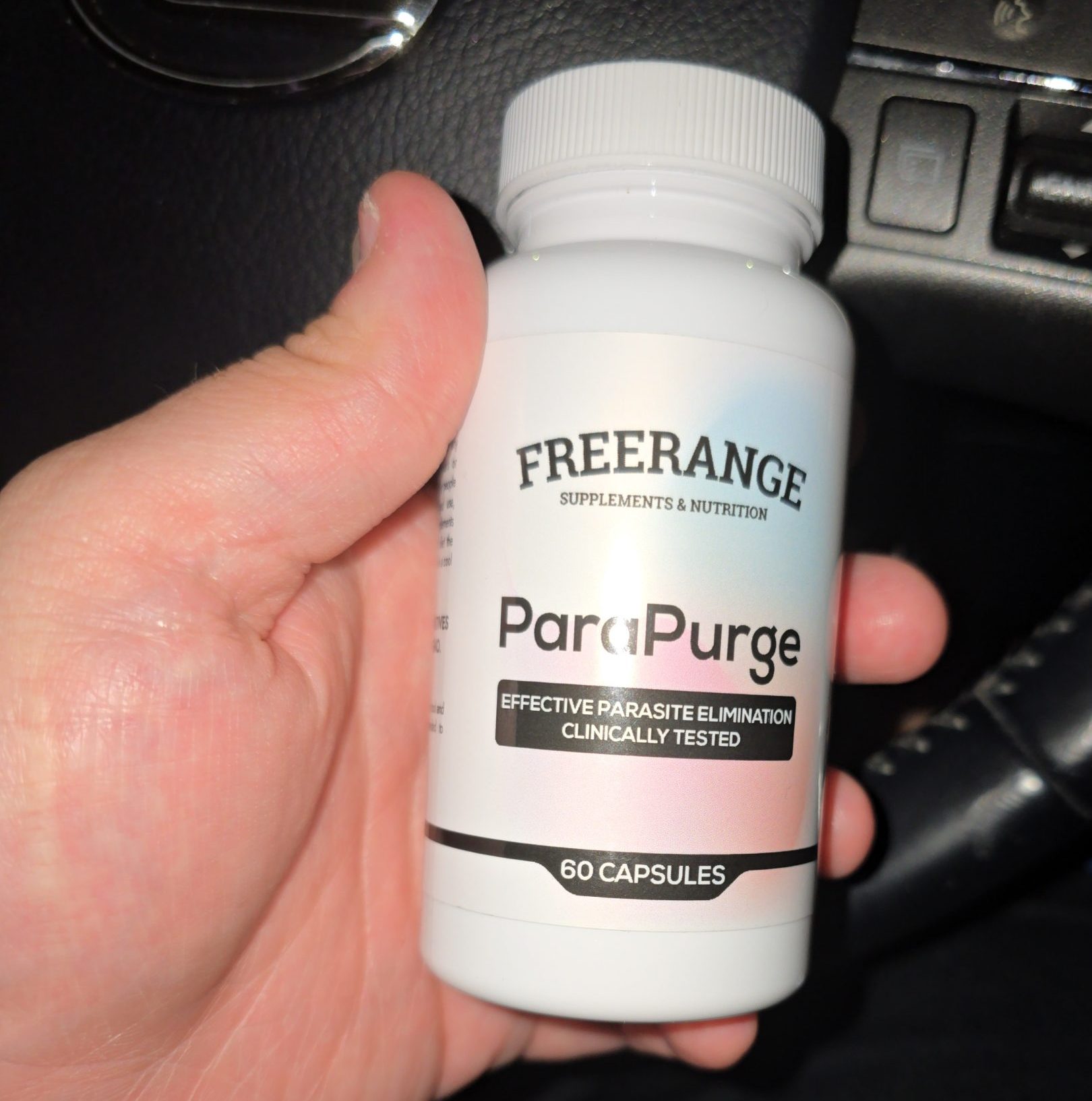
I have been trying to lose weight for a while and I have been looking at my diet for the answers. I eat a normal American diet with a lot of fried food and light fresh vegetables or fruits. I have been looking at doing a detox for my gut because it has gotten bigger than ever before. I’m a follower of Jesus Christ and I believe in prayer for healing and help. I asked everyone I know to pray for my mom who has cancer and one of them send me ParaPurge because it has helped many people with cancer. My mom is normally cautions so I started taking it to see if there’s any side effects. After taking it for 2 and half days, I noticed that I was not in the restroom as often and as long as my normal. My gut is not as big as before and I’m on day 9. It has helped with my foggy mind. In the end, I’ll do 2 rounds of ParaPurge and gut detox to clear everything out. Quick Healthy Meal Recipes http://dorianfitness.com/quick-healthy-meal-recipes
From my online research
What is Fendendazole?
Fenbendazole is a broad-spectrum anthelmintic (anti-parasitic drug) commonly used in veterinary medicine to treat and control gastrointestinal parasites in animals, such as:
- Roundworms (nematodes)
- Hookworms
- Whipworms
- Tapeworms (some species)
- Giardia (in some cases)
Key Facts:
- Drug class: Benzimidazole
- Used for: Dogs, cats, horses, cattle, sheep, goats, rabbits, and other animals.
- What Are Cardio Health Benefits http://dorianfitness.com/what-are-cardio-health-benefits
How it works:
Fenbendazole disrupts the energy metabolism of parasites by interfering with the formation of microtubules in their cells. This leads to the death of the parasites.
Dosage:
Varies by species and condition but typically administered orally via paste, granules, or suspension.
Off-label Human Interest:
In recent years, fenbendazole has attracted attention online as a potential cancer treatment based on anecdotal reports and limited laboratory studies. However: How To Make Roasted Tilapia http://dorianfitness.com/how-to-make-roasted-tilapia
- There is no conclusive clinical evidence proving its safety or effectiveness for treating cancer in humans.
- It is not approved for human use by health authorities like the FDA.
- Use in humans could be dangerous without medical supervision.
Fenbendazole is not approved for human use by major regulatory agencies like the FDA (U.S. Food and Drug Administration) or EMA (European Medicines Agency). However, its use in humans has gained attention in alternative and anecdotal cancer treatment circles, particularly due to viral stories and some in vitro (test tube) studies.
🔬 What is driving interest in human use?
The interest largely stems from:
- Anecdotal reports – Most notably the case of Joe Tippens, an American who claimed that fenbendazole contributed to his recovery from terminal cancer. He popularized its use via blog posts and media.
- Preclinical studies – Some lab and animal studies suggest that fenbendazole might have anticancer properties, such as:
- Disrupting cancer cell metabolism
- Inhibiting microtubule formation (similar to some chemotherapy drugs)
- Potentially affecting p53 tumor suppressor pathways
- Disrupting cancer cell metabolism
- Important caveat: These studies are not clinical trials in humans and do not prove effectiveness or safety.
What is ivermectin?
Ivermectin is a broad-spectrum antiparasitic medication used in both humans and animals. It has been on the World Health Organization’s List of Essential Medicines for decades due to its effectiveness and safety when used properly.
What is Ivermectin?
- Drug class: Avermectin family (macrocyclic lactone)
- Discovered: In the late 1970s; Nobel Prize in Medicine awarded in 2015 to its discoverers
✅ Approved Uses in Humans
Ivermectin is FDA-approved for treating certain parasitic infections, such as:
- Onchocerciasis (river blindness)
- Strongyloidiasis (intestinal roundworm)
- Scabies (topical or oral)
- Lice infestations
- Lymphatic filariasis (in combination therapies)
- Cutaneous larva migrans and other off-label parasitic uses
🐾 Veterinary Use
In animals, ivermectin is used to treat:
- Heartworms
- Intestinal worms
- Mites and lice
- Mange (e.g., in dogs or livestock)
⚠️ Controversy: COVID-19
During the COVID-19 pandemic, ivermectin became controversial due to claims it could treat or prevent COVID-19. Here’s the status:
- Initial lab studies showed some antiviral activity in vitro (in test tubes).
- However, clinical trials in humans have not shown strong evidence that ivermectin is effective against COVID-19.
- Major health organizations including the WHO, FDA, CDC, and EMA advise against its use for COVID-19 outside of clinical trials.
💊 Side Effects in Humans
When prescribed at approved doses, ivermectin is generally safe. Possible side effects:
- Dizziness
- Nausea or diarrhea
- Skin rash or itching
- Rare but serious: low blood pressure, seizures, or liver injury.

