


Recovery after a workout is crucial for optimizing performance, preventing injuries, and promoting overall well-being. Here are some general tips to enhance your post-workout recovery:
Cool Down
Gradually decrease the intensity of your workout before stopping completely.
Perform light aerobic exercises or stretching to help bring your heart rate down.
How To Meditate? http://dorianfitness.com/how-to-meditate
Hydrate
Rehydrate by drinking water to replace fluids lost during exercise. Water is essential for various physiological functions, including muscle recovery.
Nutrition
Consume a balanced post-workout meal containing a mix of carbohydrates, protein, and healthy fats. This helps replenish glycogen stores and supports muscle repair.
Consider consuming a protein-rich snack or shake to aid in muscle recovery. Protein is crucial for repairing and building muscle tissue.
Rest
Ensure you get enough sleep, as this is when your body repairs and grows muscle. Aim for 7-9 hours of quality sleep per night.
Active Recovery
Engage in light, low-intensity activities on your rest days to promote blood flow and assist in recovery. This could include activities like walking, cycling, or yoga.
Stretching
Incorporate static or dynamic stretching into your routine to improve flexibility and reduce muscle tension. FULL Guild to Stretching http://dorianfitness.com/stretching-101
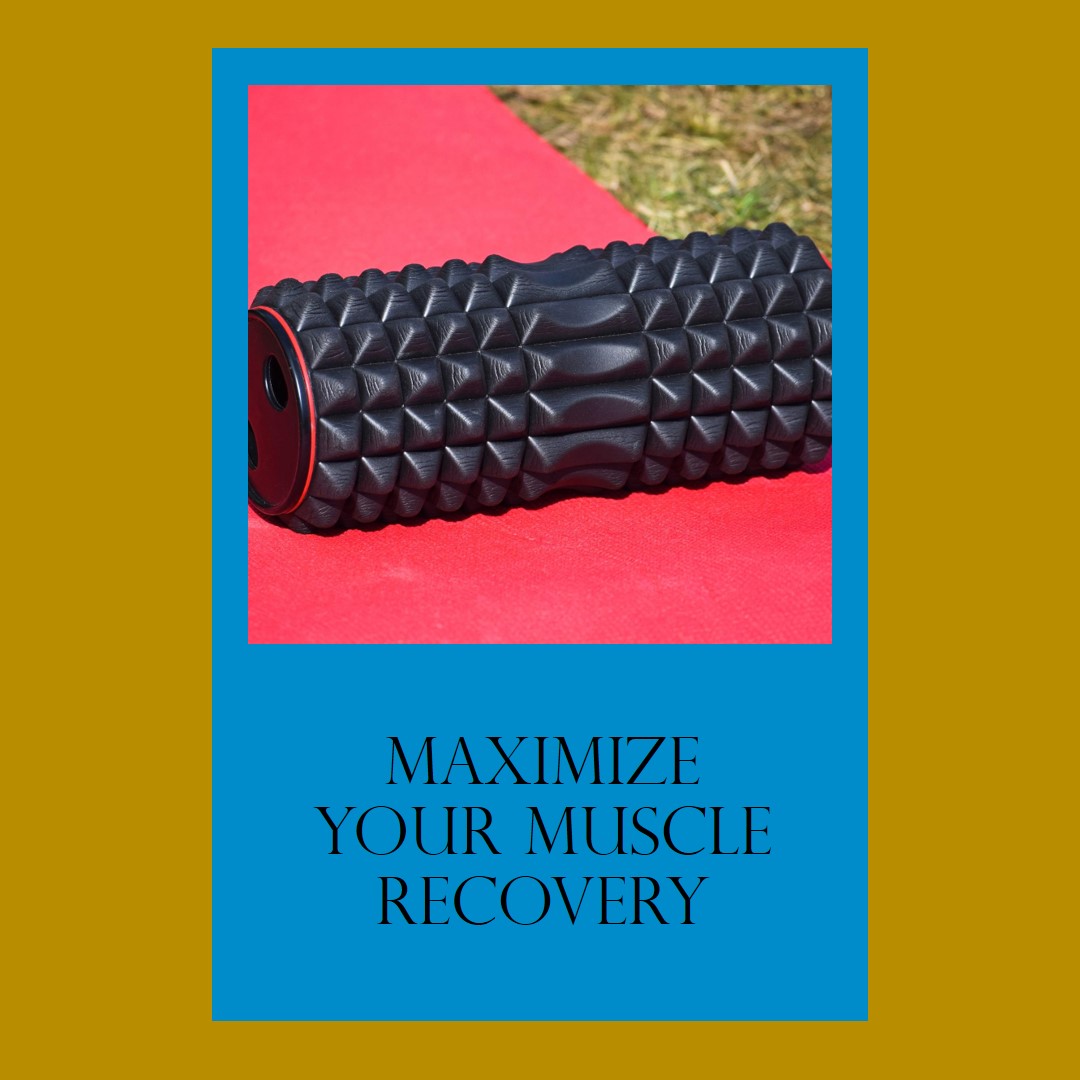
Foam Rolling
Use a foam roller or other self-myofascial release tools to massage and release tension in your muscles. This can help alleviate muscle soreness.
Ice Bath or Contrast Therapy
Some athletes find relief from muscle soreness by alternating between hot and cold treatments. This can be done through ice baths or contrast showers.
Listen to Your Body
Pay attention to how your body feels. If you’re feeling particularly fatigued or sore, it’s okay to adjust your workout intensity or take an extra rest day.
Remember that everyone’s body responds differently to exercise and recovery methods, so it may take some experimentation to find what works best for you. Additionally, maintaining consistency in your recovery practices is key to long-term fitness and well-being.


