


- What is stretching your muscles?
- Why stretch your muscles?
- Benefits of stretching?
- How to stretch?
What is stretching your muscles?
Stretching your muscles involves intentionally lengthening and elongating them to improve flexibility, increase range of motion, and promote overall muscle health. Regular stretching can have various benefits, including enhanced athletic performance, reduced risk of injury, improved posture, and relief from muscle tension.
Types of Stretching:
Static Stretching: Involves holding a stretch in a stationary position for a specific duration. It’s often used for cooling down after exercise.
Dynamic Stretching: Involves moving parts of your body through their full range of motion. It’s typically part of a warm-up routine before more intense physical activity.
Ballistic Stretching: Uses bouncing or swinging motions to increase flexibility. However, it’s less common and carries a higher risk of injury compared to static and dynamic stretching.
Workout Routines http://dorianfitness.com/workout-routines
Benefits of stretching
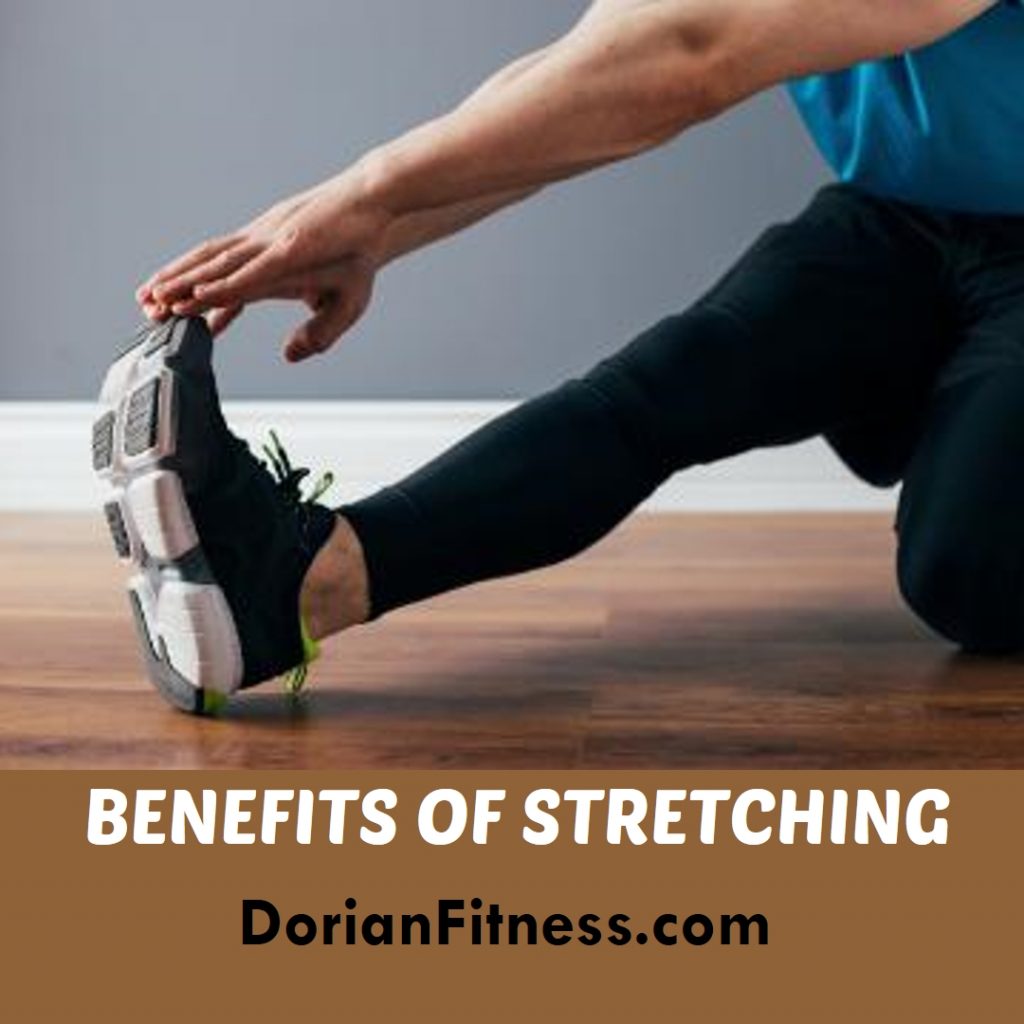
Increased Flexibility: Stretching helps increase the length of muscles and tendons, allowing joints to move more freely. Improved flexibility contributes to better overall joint health and can enhance athletic performance.
Range of Motion: Stretching regularly can improve your joints’ range of motion, making everyday activities easier and reducing the risk of injury during physical activities.
Blood Flow and Circulation: Stretching increases blood flow to the muscles, which helps deliver nutrients and oxygen to the tissues. This can aid in muscle recovery and reduce muscle soreness.
Posture Improvement: Stretching can target muscles that may be tight due to poor posture. Lengthening these muscles can contribute to better alignment and improved posture.
Stress Reduction: Engaging in stretching exercises, particularly those that involve deep breathing and relaxation, can help reduce stress and promote a sense of calm.
Injury Prevention: Regular stretching can help prevent injuries by improving flexibility and preparing muscles for physical activity. It may reduce the risk of muscle strains, ligament sprains, and other injuries related to muscle tightness.
Pain Relief: Stretching can alleviate muscle tension and discomfort. It’s often recommended for individuals experiencing stiffness or tightness in specific muscle groups.
Mind-Body Connection: Stretching can be a mindful practice, encouraging awareness of your body and promoting relaxation.
Consistency Matters: To experience the full benefits of stretching, it’s essential to be consistent. Regular stretching over time is more effective than occasional or sporadic efforts.
Remember that proper technique is crucial when stretching to avoid injury. Stretching should be done in a controlled and gradual manner, without bouncing or forcing the body into uncomfortable positions. If you’re unsure about how to start a stretching routine or have any existing health concerns, consider consulting with a fitness professional or healthcare provider for personalized guidance.
How To Stretch
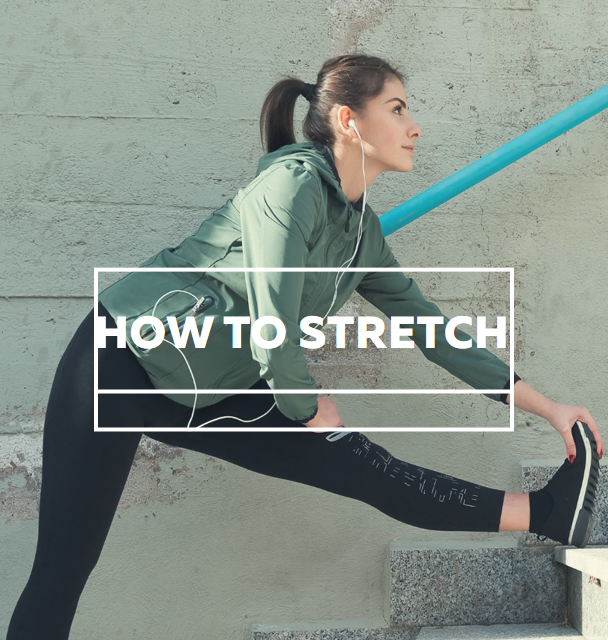
Warm-Up: Always warm up your body before stretching to increase blood flow and make your muscles more pliable. A few minutes of light aerobic activity, like jogging in place or jumping jacks, can help raise your heart rate and prepare your muscles for stretching.
Focus on Major Muscle Groups: Target major muscle groups such as your neck, shoulders, chest, back, hips, legs, and ankles. Stretching these areas can improve overall flexibility and reduce muscle tension.
Hold Each Stretch: Hold each stretch for about 15 to 30 seconds. This duration allows your muscles to relax and elongate. Avoid bouncing, as it can lead to injury.
Breathe deeply and rhythmically during each stretch. Inhale slowly and exhale as you deepen into the stretch. Relaxing your breath helps relax your muscles.
Don’t Push Too Hard: Stretch to the point of mild tension, not pain. If you feel pain, you may be pushing too hard, and it’s important to ease off to prevent injury.
Balance Both Sides: Ensure you stretch both sides of your body equally. This helps prevent muscle imbalances and promotes symmetry.
Dynamic Stretching (Before Exercise): Dynamic stretching involves moving parts of your body through their full range of motion. It’s beneficial as part of a warm-up routine before more intense exercise. Examples include leg swings, arm circles, and hip circles.
Static Stretching (After Exercise): Static stretching involves holding a position for an extended period. Save static stretches for after your workout when your muscles are warm. Examples include hamstring stretches, shoulder stretches, and quadriceps stretches.
Incorporate Yoga or Pilates: Consider incorporating yoga or Pilates into your routine. Both practices emphasize flexibility, balance, and core strength through a series of controlled movements and stretches.
Stretch Regularly: Consistency is key to improving flexibility. Aim for a regular stretching routine, whether it’s daily or a few times a week.
Sample Stretches:
Neck Stretch:
Gently tilt your head to one side, bringing your ear toward your shoulder.
Hold for 15-30 seconds and repeat on the other side.
Shoulder Stretch:
Bring your right arm across your chest.
Use your left hand to gently pull your right arm closer to your chest.
Hold for 15-30 seconds and switch sides.
Hamstring Stretch:
Sit on the floor with one leg extended straight and the other leg bent so that the sole of your foot is against the inner thigh of the extended leg.
Reach for your toes on the extended leg, keeping your back straight.
Hold for 15-30 seconds and switch legs.
Quadriceps Stretch:
Stand on one leg and bring your other foot toward your buttocks.
Hold your ankle with your hand and keep your knees close together.
Hold for 15-30 seconds and switch legs.
Remember that individual flexibility levels vary, so listen to your body and progress at a pace that feels comfortable for you. If you have any existing health concerns or conditions, it’s a good idea to consult with a healthcare or fitness professional before starting a new stretching routine.


3 thoughts on “Stretching 101”